
Buying green: NUS launches ProcureGreen 2026
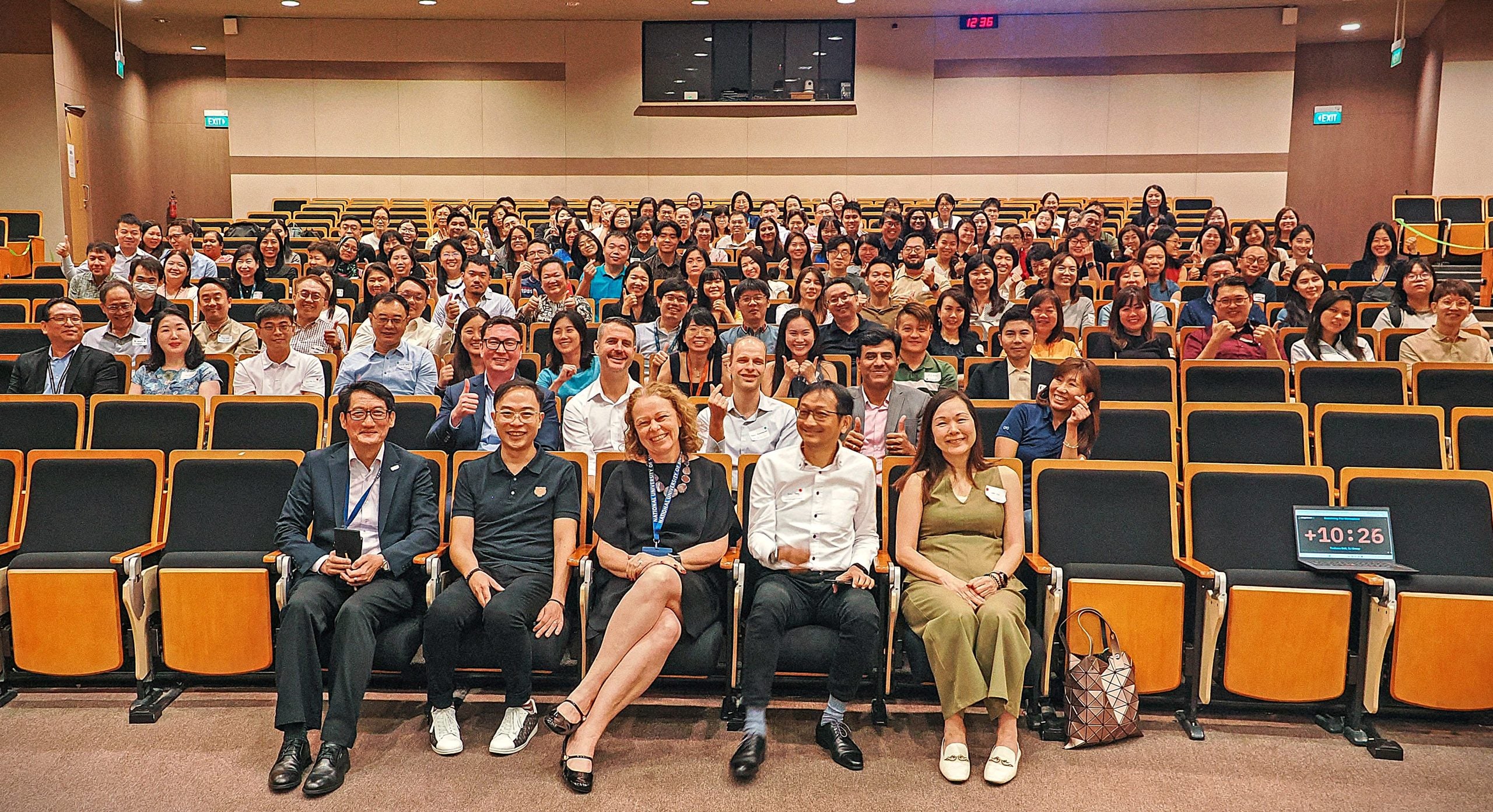
Behind every campus is a vast supply chain – covering everything from lab chemicals and furniture to construction materials and waste services.
On 17 April, the National University of Singapore (NUS) put that supply chain in the spotlight by hosting NUS ProcureGreen 2026, the first event of its kind at NUS focused specifically on sustainability through procurement.
Organised by NUS’ Central Procurement Office (CPO) and themed Drive Sustainable Procurement with ESG Impact, the milestone event brought together all six autonomous universities, Ministry of Education, procurement professionals and industry experts.
The goal was clear: to help universities build cleaner, more responsible supply chains and reduce their institutional environmental footprint through practical action and stronger partnerships.
Turning “buying” into a climate solution
A key message from the one-day event was that procurement is no longer just an administrative process – it can be a strategic lever for advancing Environmental, Social, and Governance (ESG) outcomes.
Since February 2024, inter-university collaboration has evolved beyond period contracts to focus on sustainability-focused initiatives.
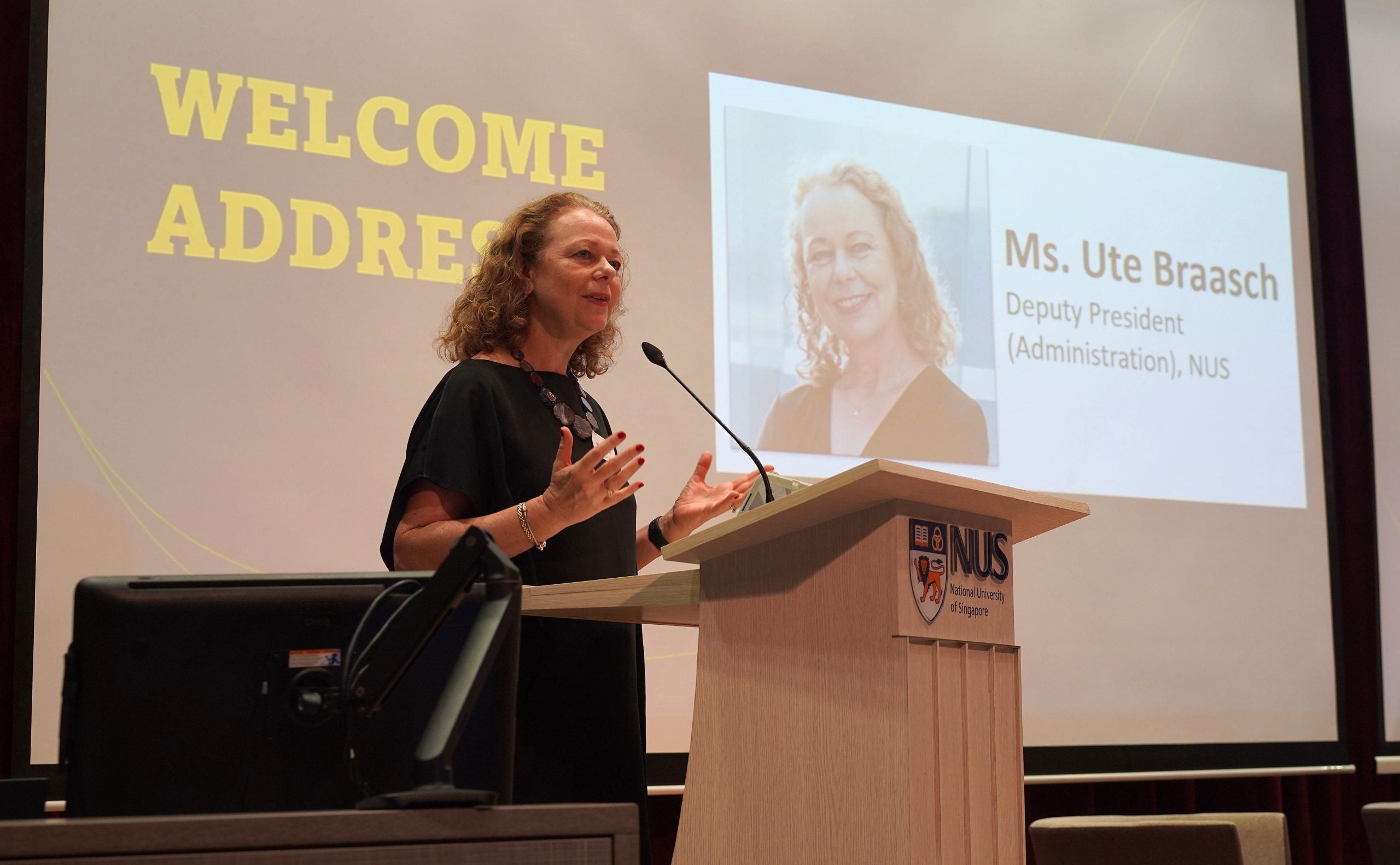
In her opening address for the morning session, Ms Ute Braasch, NUS Deputy President (Administration), underscored the significance of this shift, saying: “Procurement is no longer a back-end function. It is a strategic lever that allows us to influence industries, drive responsible practices, and create meaningful impact across our supply chains.”
The urgency is reinforced by emissions data: Purchased Goods and Services (Scope 3) account for about 12.4 per cent of NUS’ total emissions, highlighting why supply chain action is essential – not optional.
Showcasing NUS' progress
A major highlight of the event was the sharing of what NUS has been doing internally to scale impact.
Ms Irene Lim, Acting Head from CPO's Sustainability Supplier Management team outlined efforts to strengthen procurement strategies and align them with the United Nations Sustainable Development Goals (UN SDGs).
Sustainability achievements on campus were also spotlighted by Mr Bertrand Lasternas, Senior Associate Director (Engineering and Technology) from Sustainability Strategy Unit, University Campus Infrastructure, NUS, who shared NUS’s achievements in sustainable infrastructure, including SDE4, Singapore’s first purpose-built net-zero energy building.
Industry insights: Better data, greener science, smarter campuses
Industry speakers lent practical perspectives from beyond the campus to the occasion.
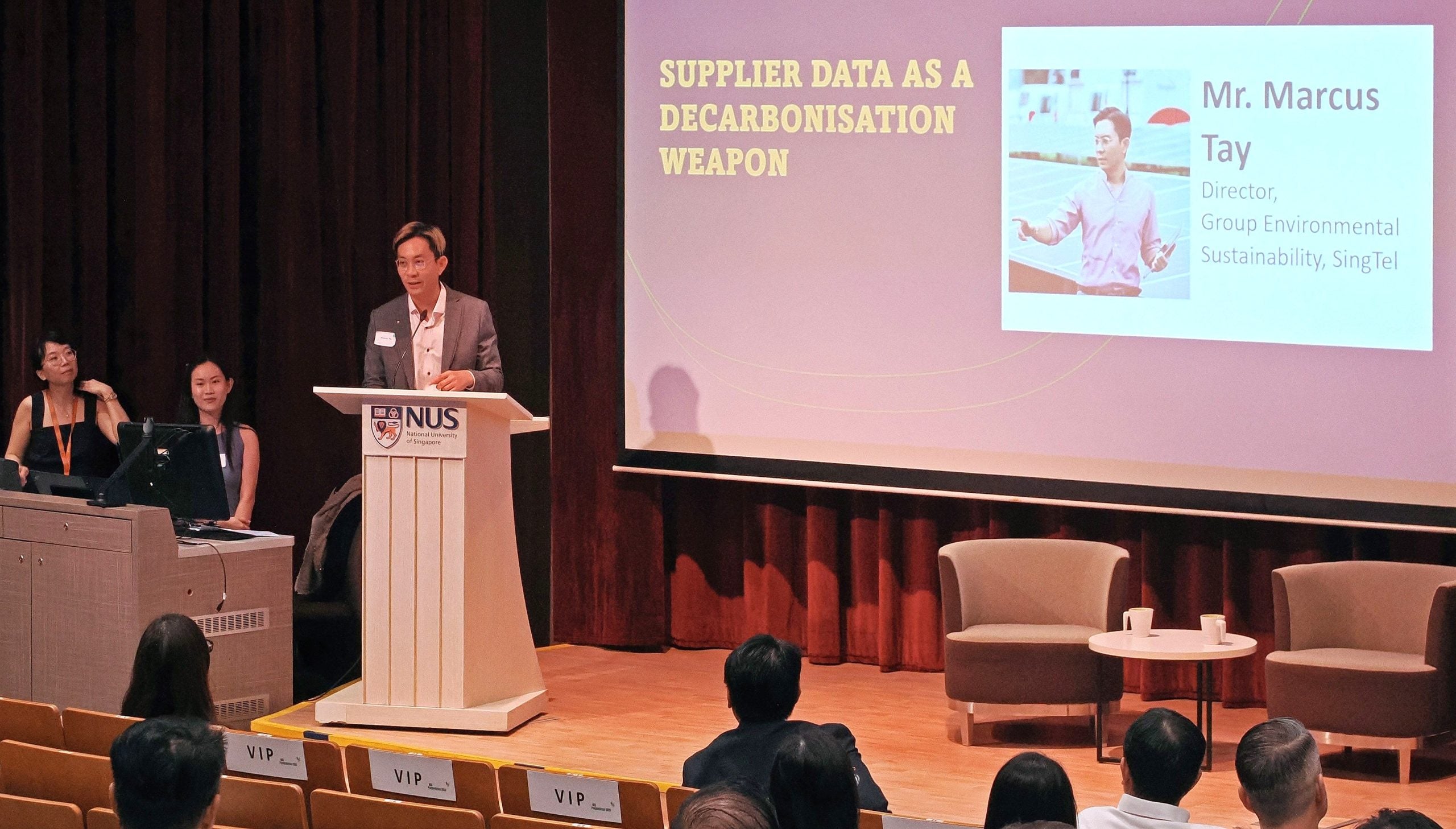
Mr Marcus Tay, Director, Group Environmental Sustainability from Singtel gave a compelling keynote, “Supplier Data as a Decarbonisation Weapon,” which emphasised the importance for organisations to move from broad estimates to supplier-specific emissions data for a more accurate understanding of risk, performance, and improvement opportunities. He shared how disclosure platforms such as CDP have supported Singtel’s reduction of Scope 3 Category 1 (Purchased Goods and Services) and Category 2 (Capital Goods) emissions.
Ms Dana Kim from the Merck Group (Sigma-Aldrich) introduced the 12 Principles of Green Chemistry and tools such as DOZN, which help laboratories quantify and improve the sustainability profile of chemical products and processes.
Building on these sessions, Mr Tsubasa Bolt, a Principal Environmental Sustainability Design (ESD) Consultant from Surbana Jurong, presented their campus as a blueprint for sustainable innovation, highlighting the importance of designing for both energy efficiency and human wellness, especially as people spend most of their time indoors.
From talk to action: Building a zero-waste value chain
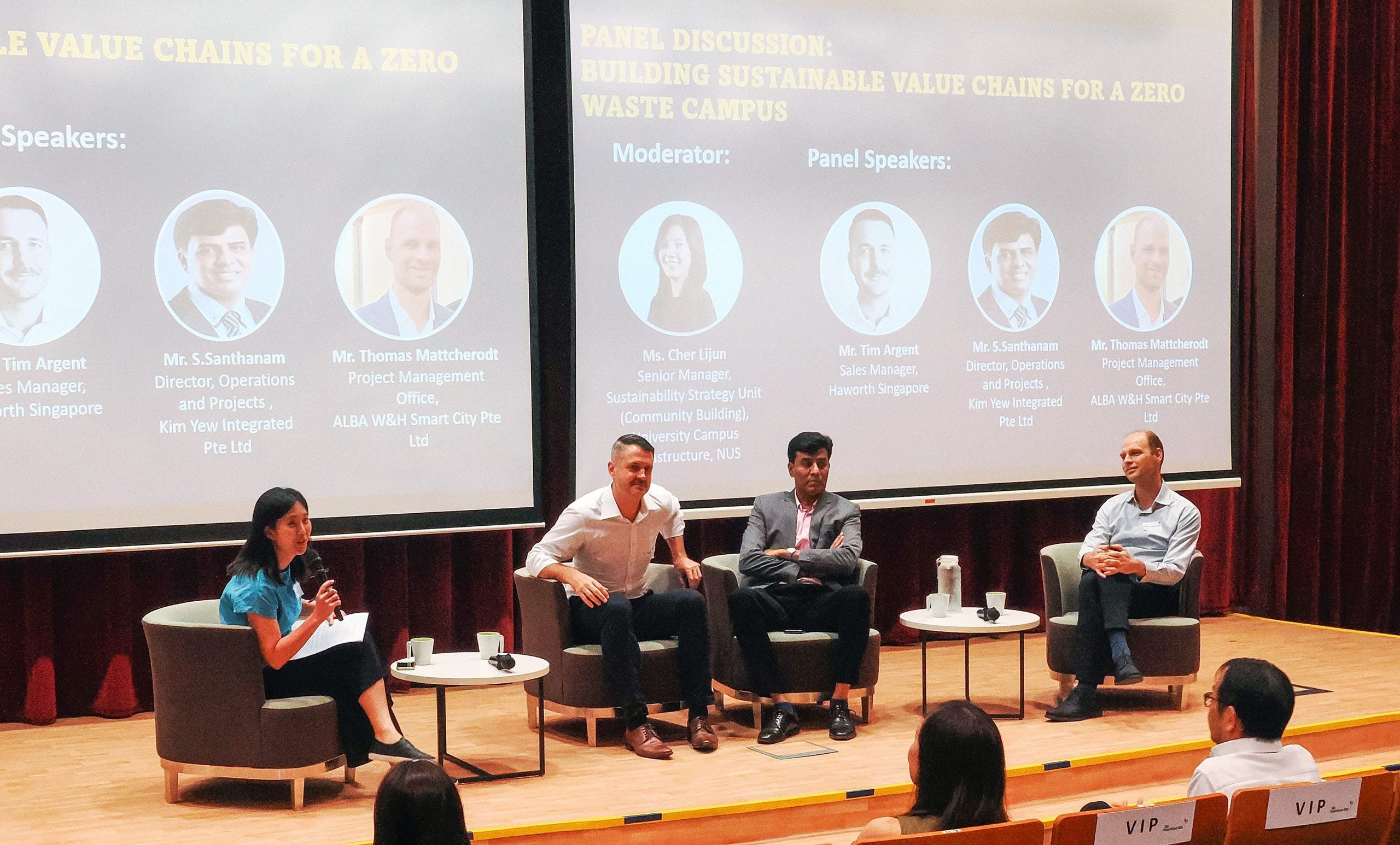
A panel discussion moderated by Ms Cher Lijun, Senior Manager from Sustainability Strategy Unit (Community Building), University Campus Infrastructure, NUS, tackled real-world hurdles behind ambitious sustainability goals.
Under the theme, “Building Sustainable Value Chains for a Zero Waste Campus”, the panellists – Mr Thomas Mattcherodt from ALBA W&H Smart City, Mr Tim Argent from Haworth Singapore and Mr S.Santhanam from Kim Yew Integrated – discussed practical challenges in circularity, ethical sourcing and waste management.
What's next: Making ProcureGreen a flagship movement
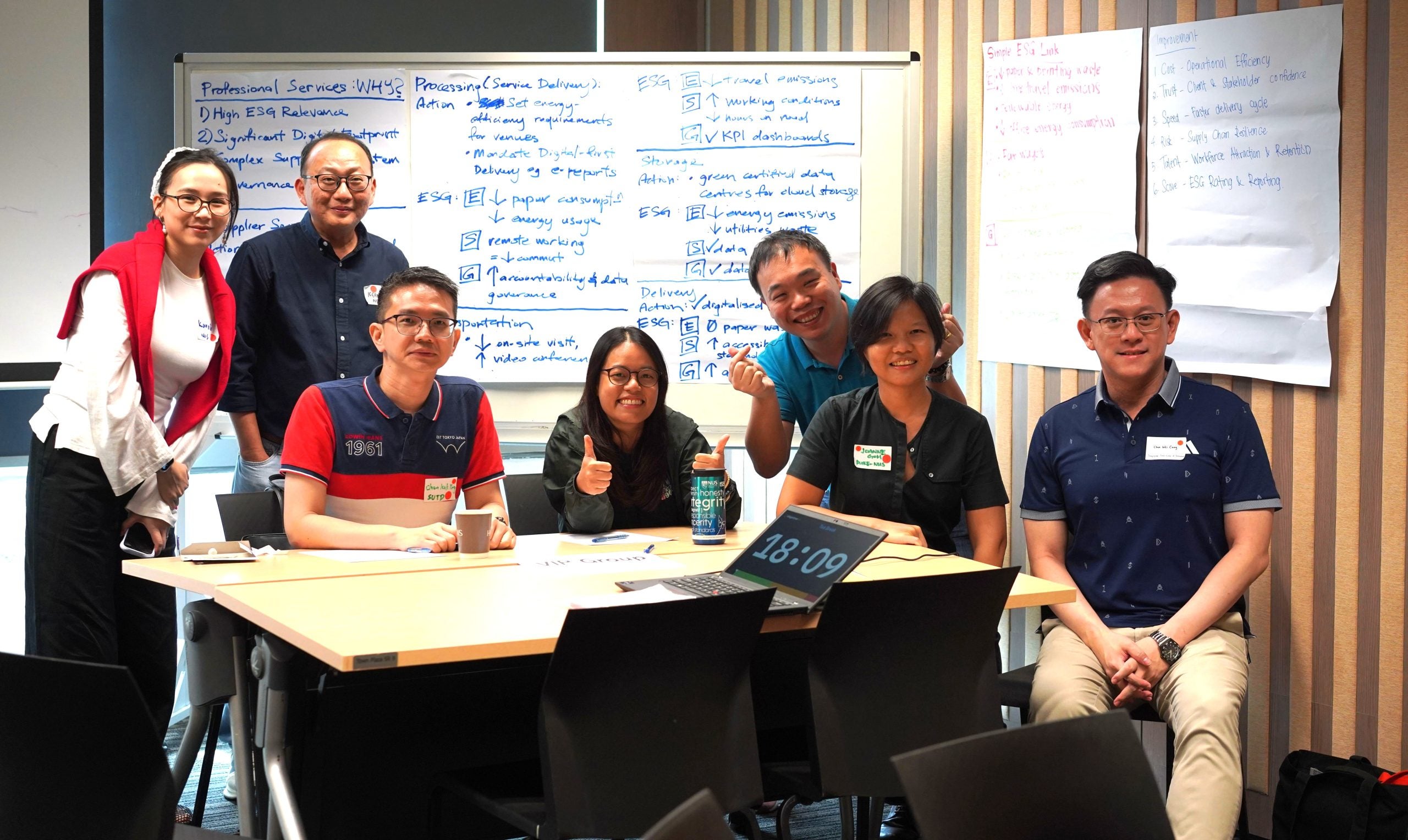
The afternoon session kicked off with a welcome address by NUS Chief Procurement Officer, Mr Pang Chong Ning. Following this, participants from autonomous universities took part in a hands-on workshop where they developed actionable ESG and supply chain proposals – spanning the full value chain from sourcing to end-of-life recycling.
Building on the strong momentum and cross-sector collaboration achieved, NUS plans to grow ProcureGreen into a biennial flagship event. By convening stakeholders every two years, the university aims to create a sustained platform to track progress, share best practices, improve data transparency, deepen partnerships and push for measurable ESG outcomes across the higher education sector.
This article is contributed by NUS Central Procurement Office.