Breaking Silos, Delivering Impact
As the world continues to suffer from the effects of climate change, from record-high temperatures to extreme weather events, it has become even clearer that the solutions needed will not come from a single discipline, sector, or geography.
With this in mind, NUS restructured how it drives research with the newly launched university-wide initiative, NUS Sustainable Futures.
This interdisciplinary initiative centres on three sustainability missions designed to build vibrant research communities involving academia, industry, government, and society:

NUS Energy Solutions Hub
Focuses on improving energy sustainability and resilience

Initiatives for Climate, Oceans and Nature
Focuses on technological innovations and nature-based solutions that address climate change, biodiversity loss and environmental degradation

Integrative Urban Solutions
Focuses on a multidisciplinary approach to enhance urban resilience and sustainability
This is complemented by active participation in national and regional research initiatives. In 2025, NUS joined the Climate and Weather Research Alliance Singapore, a national partnership that advances tropical weather and climate science. This has enabled projects that seek to improve weather observations, develop next-generation climate models, and enhance prediction accuracy using high-resolution modelling and artificial intelligence.
On the food security front, the university co-leads several programmes which received additional funding from the Singapore Food Agency in 2025. They include the:
- AquaPolis R&D Programme, which aims to improve the nutritional value of locally produced seafood while lowering production costs;
- Seed Innovation Hub, which advances crop breeding by developing seeds with desired traits such as faster growth and higher nutritional value; and
- Centre for Precision Fermentation and Sustainability, which focuses on developing efficient and sustainable production of healthy lipids and functional proteins.
Today, nearly one in three NUS faculty members conducts sustainability-related research. The university will build on this momentum to translate research into meaningful, real-world impact.
Highlights in Numbers
Research and Academic Publications (CY2025)
* Measures how well-cited a publication is compared to similar publications
Research Collaborations (CY2025)
Grants (FY2025)
Tackling Hard-To-Abate Emissions Through Energy Innovation
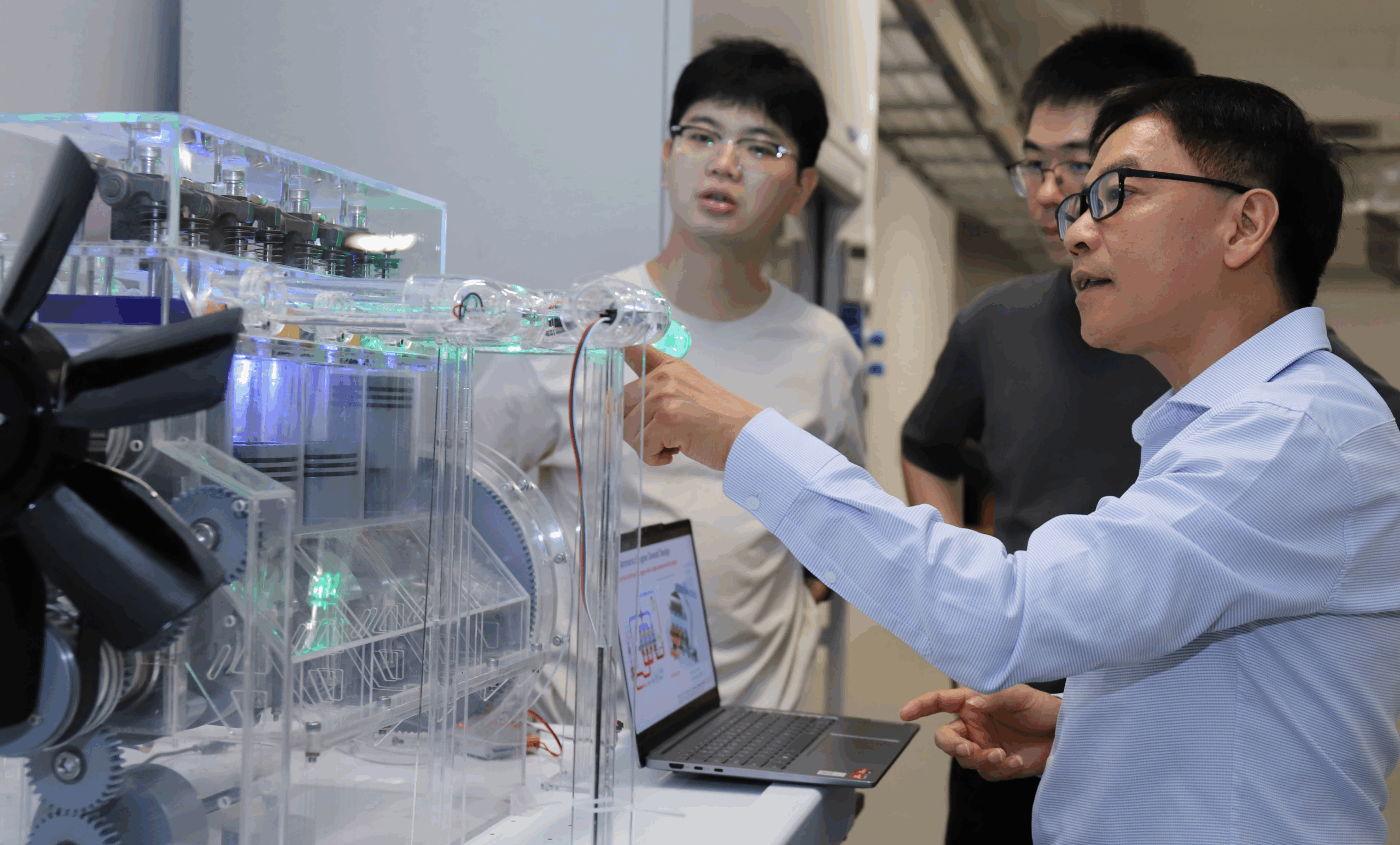
NUS is also driving innovations for sustainable industry and transportation, particularly in the maritime sector. At the NUS Centre for Hydrogen Innovations (CHI), Associate Professor Yang Wenming is leading research to develop a novel ammonia-based maritime engine prototype. It features an advanced in-cylinder reforming gas recirculation technology that enables high-efficiency combustion with near-zero greenhouse gas emissions.
Beyond low-carbon combustion, maritime carbon capture and conversion are emerging as promising routes to decarbonise shipping. Professor Yan Ning and his team are exploring novel catalysts for converting captured carbon dioxide into methanol, closing the carbon loop and supporting a circular carbon economy. Additionally, CHI is collaborating with industry partners to explore ammonia cracking, power decarbonisation, and sustainable fuel pathways.
The work at NESH also includes sustainable and resilient multi-energy districts, sustainable redevelopment for urban resilience, as well as data-driven energy strategy and policy. Collectively, they enable NUS to develop impactful energy solutions that are efficient, adaptable, and scalable.
Powering global trade and the digital economy, sectors like maritime transport, industrial energy systems, and data centres have proven particularly difficult to decarbonise. They rely heavily on fossil fuels, underscoring the need for scalable, low-carbon fuel alternatives.
To meet these challenges, the NUS Energy Solutions Hub (NESH) brings together fundamental research, engineering innovation, and industry collaboration to develop and deploy integrated energy solutions — focusing on problems unique to tropical and urban environments.
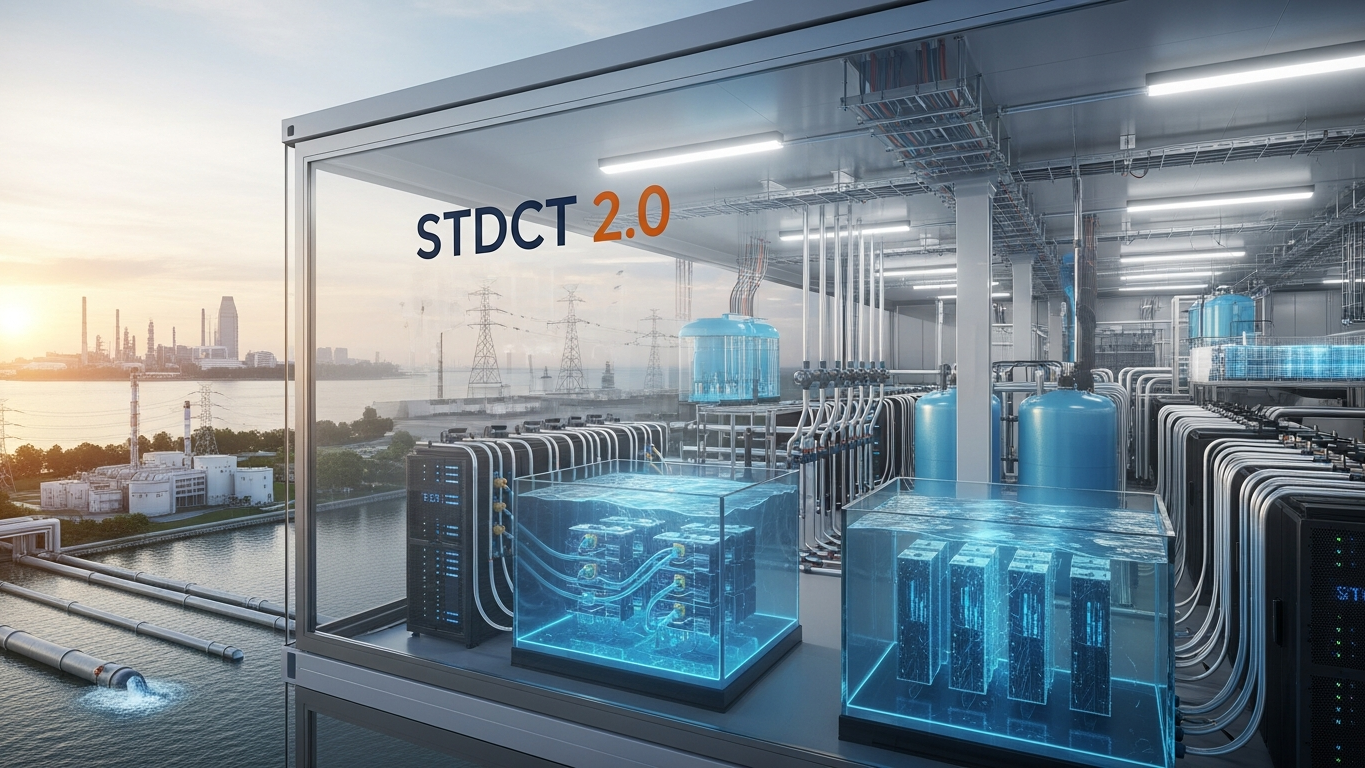
A research track under NESH is sustainable digital infrastructure, where innovative cooling technologies, software optimisation methods, and renewable energy integration into computing operations are developed to enhance energy efficiency in computing and data centres.
Building on the successful implementation of Phase 1 of the Sustainable Tropical Data Centre Testbed (STDCT), NUS is partnering with JTC Corporation to establish STDCT Phase 2 on Jurong Island. This expanded testbed strengthens NUS’ capabilities to pilot and validate energy-efficient cooling, low-carbon power systems, and digital infrastructure solutions under real-world conditions, supporting scalable deployment across Southeast Asia.
Responding to Global Climate, Ocean, and Biodiversity Challenges
On land, ICON’s focus extends to integrated peatland restoration and conservation. Peatlands and mangroves are vital carbon sinks that regulate climate, support biodiversity, and sustain local livelihoods, but they are increasingly threatened by climate change, deforestation, agricultural conversion, and wildfires.
Researchers like Associate Professor Sanjay Swarup at the NUS Environmental Research Institute seek to understand their true value and impact, and conduct research that integrates ecology, microbiome science, metabolomics, artificial intelligence, and data analytics. Plant microbe and soil interactions are analysed, with predictive insights generated for peatland conservation and carbon sequestration. His work supports scalable, nature-based climate solutions that inform both science and policy in the region.
ICON also addresses the societal dimensions of climate change mitigation. A project led by Professor David Taylor from NUS Geography explores the governance of various nature-based carbon sinks (NCS) in the form of terrestrial and mangrove forests, peatlands, and agricultural soils. It also aims to understand how the governance and management of NCS in Southeast Asia may be carried out in ways that are both environmentally effective and socially equitable. Through such research, Southeast Asia is positioned to lead the way in managing carbon-dense ecosystems for a more just and resilient future.
Through ICON, NUS is also accelerating research in sustainable water infrastructure, planetary and human health, and water, energy, and food security. These efforts help build climate resilience, conserve biodiversity, and support sustainable development locally and regionally.
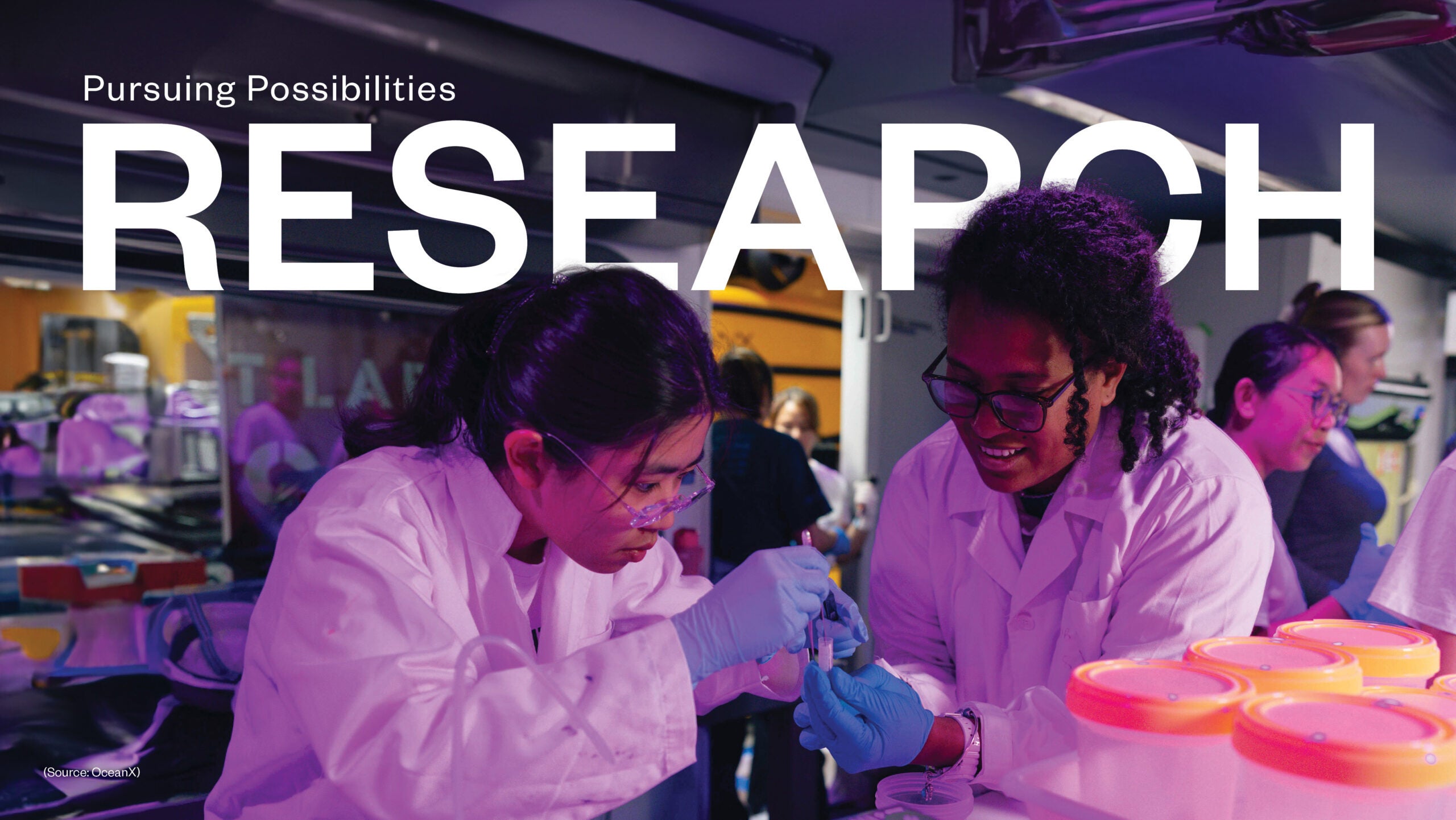
The Initiatives for Climate, Oceans & Nature (ICON) anchor efforts to protect and restore nature through cross-disciplinary research, innovation, and policy engagement.
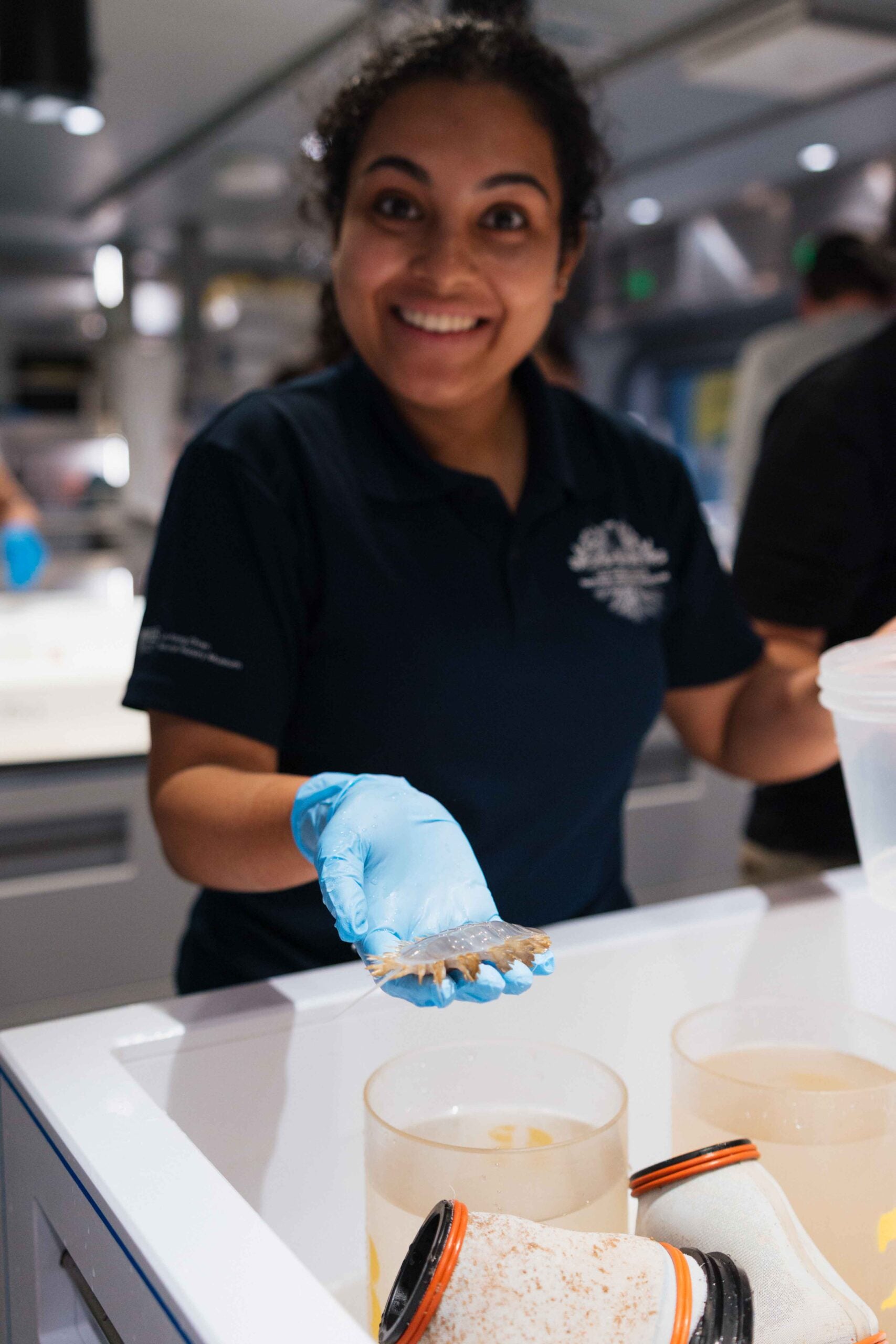
A pillar under the ICON umbrella is marine environmental sustainability, with projects like Singapore’s first major deep-sea research voyage — a 24-day NUS-OceanX deep-sea scientific expedition to the largely unexplored Monsoon Rise seamounts in the eastern Indian Ocean. It mapped marine biodiversity across more than 17,000 km2 of deep-sea terrain, creating baseline data for sustainable ocean management and ocean health.
Building Climate-Resilient Cities with Integrative Solutions
Rapid urbanisation and climate change are intensifying heat stress, flood risk, and coastal vulnerability, putting pressure on the liveability of cities around the world.
Addressing these complex challenges requires a holistic approach that links engineering, environmental science, policy, and social systems to build sustainable, resilient cities.
The Integrative Urban Solutions (IUS) initiative at NUS does just this. With urban health as one of its key focus areas, researchers examine how climate change, urban planning, and economic disparities impact population health.
For instance, research led by Associate Professor Yuan Chao from NUS Architecture harnesses Geographic Information Systems-based climate modelling and planning tools to identify urban heat hotspots and estimate the impact of different design interventions on heat dispersion.
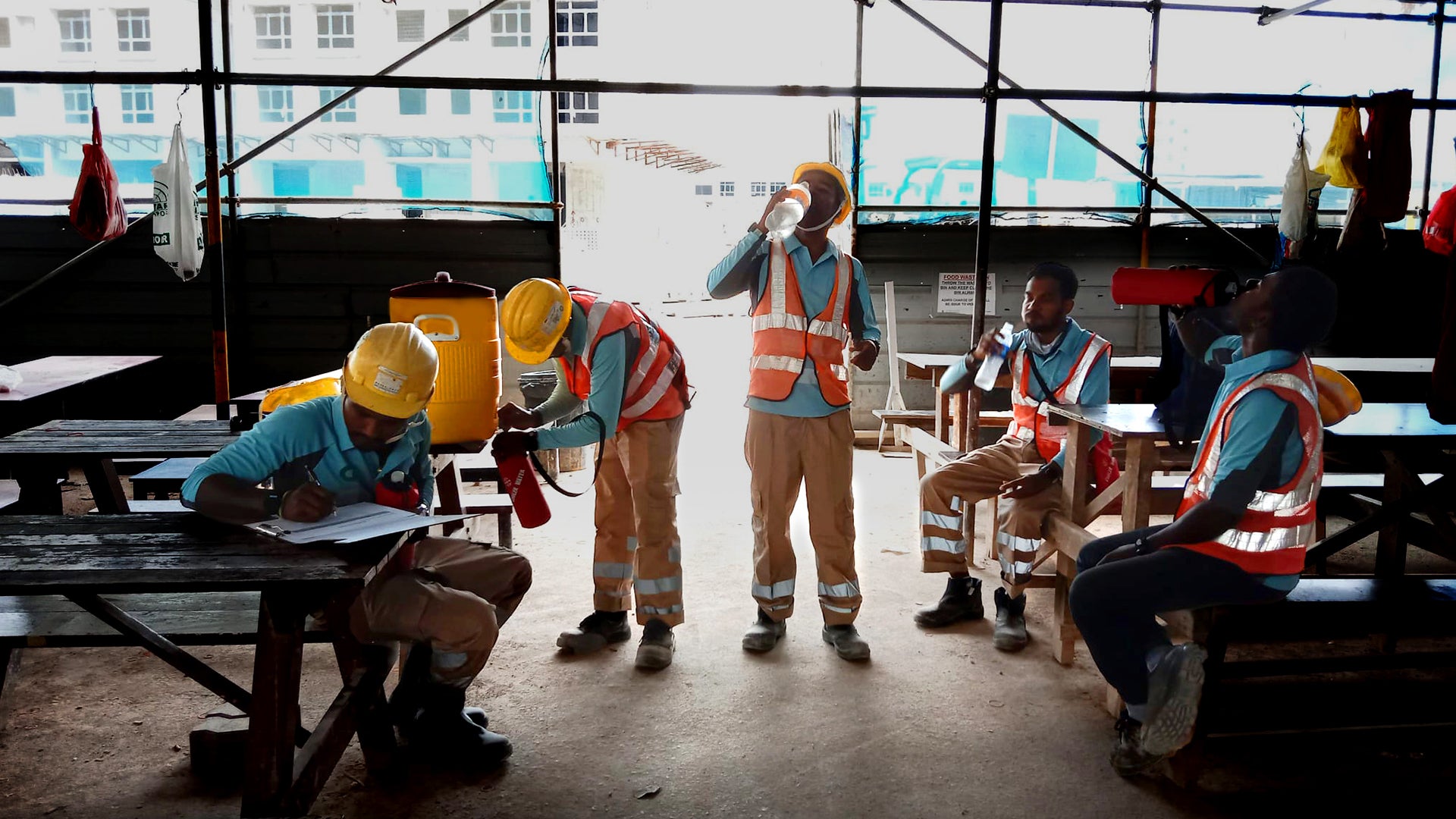
Meanwhile, Project HeatSafe, led by Associate Professor Jason Lee from the Heat Resilience and Performance Centre at NUS Medicine, investigates the impact of heat stress on outdoor workers in Southeast Asia. Its findings of reduced productivity and performance in workers resulted in new policies to protect these workers in Singapore.
Hourly simulation across Singapore using a city-scale thermal comfort mapping tool developed by Associate Professor Yuan Chao and his team. The tool captures the impact of buildings and trees on the thermal environment.
Another focus area is resilient urban climates, which explores using tools like climate modelling, sensor networks, and nature-based solutions to mitigate climate-related stressors like extreme heat and flooding.
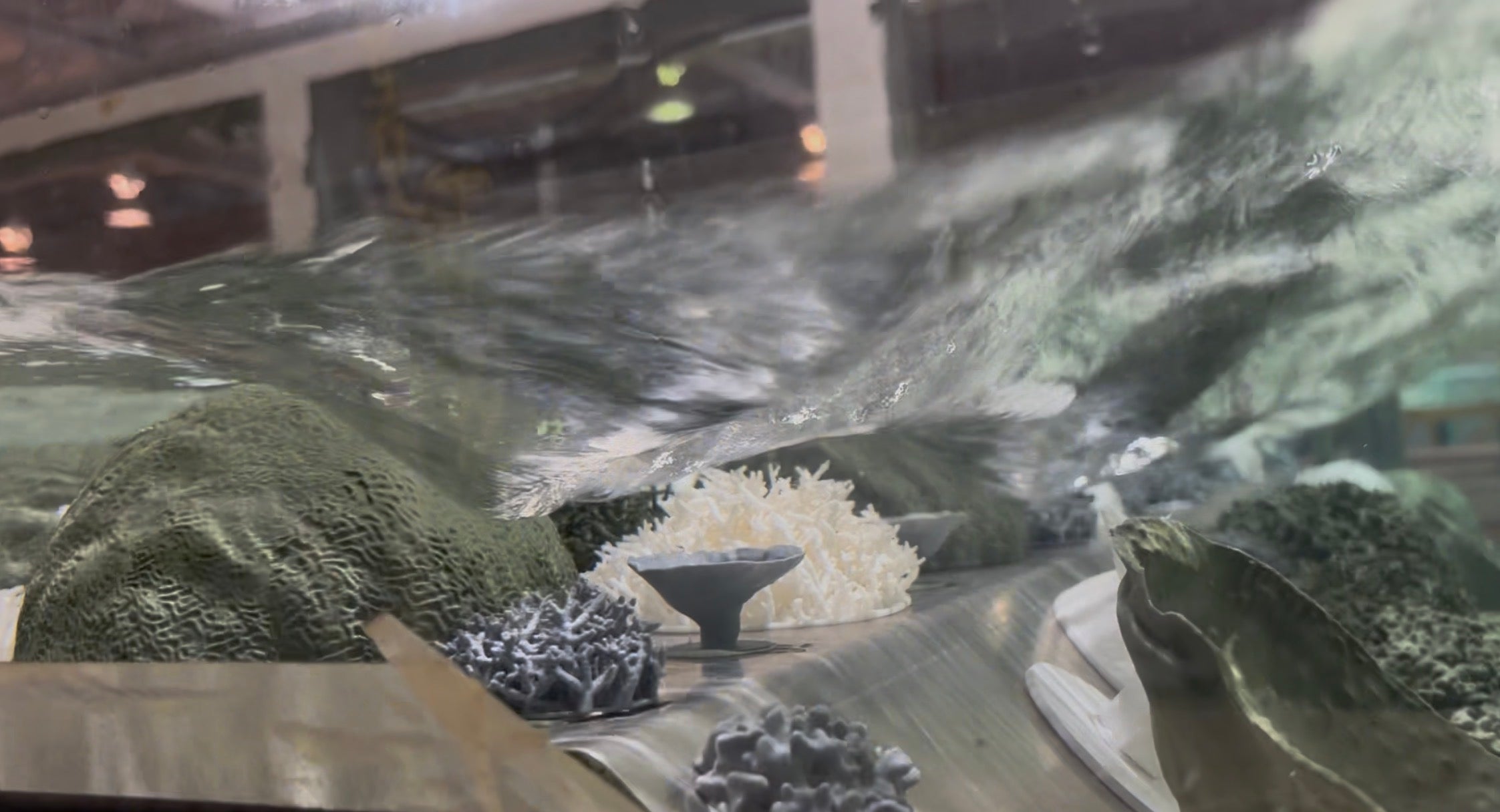
To combat sea-level rise, Associate Professor Peter Todd from NUS Biological Sciences and the Coastal Protection and Flood Resilience Institute (CFI) Singapore is developing hybrid coastal protection solutions tailored to Singapore’s coast. For example, his team is studying whether submerged breakwaters that support coral growth can reduce more wave energy than breakwaters without corals, while also enhancing marine biodiversity.
At NUS Geography, Assistant Professor Li Yuzhu is conducting research on how sediment transport and deposition, and human interventions such as land reclamation, will shape coastal morphology and ecosystem health. These aim to inform coastal planning, marine conservation, and nature-based solutions.
Together with other IUS research tracks in land use and mobility, social capital, and urban economics, NUS researchers are looking to integrate insights from across disciplines — to design cities that are resilient, resource-efficient, and people-centred.