Overview
Our Approach to Sustainability
At NUS, the fight against climate change is interdisciplinary in nature, where intellectual resources are harnessed across multiple academic domains. It stems from the recognition that the most pressing environmental challenges the world faces today are complex and cannot be solved by any one area of expertise.
Through its efforts in education, it shapes future leaders passionate about securing a sustainable future. Its growing number of sustainability programmes and courses equip students with the necessary knowledge and skills to not only see the importance of the natural world, but to also protect it.
At the same time, the university challenges the limits of environmental research. Specifically, NUS Sustainable Futures, an agenda-setting initiative launched in 2025, has brought academia, industry, and government closer in research collaboration, to create solutions in fields spanning clean energy technology and sustainable digital infrastructure, peatland restoration, climate and weather science, and urban design and resilience.
Meanwhile, its sprawling campus serves as an innovation testbed, providing a real-world environment to develop, test, and scale novel technologies. And through the NUS community — from students and alumni, to faculty members and administrators — it influences and inspires others to take climate action.
Sustainability Governance
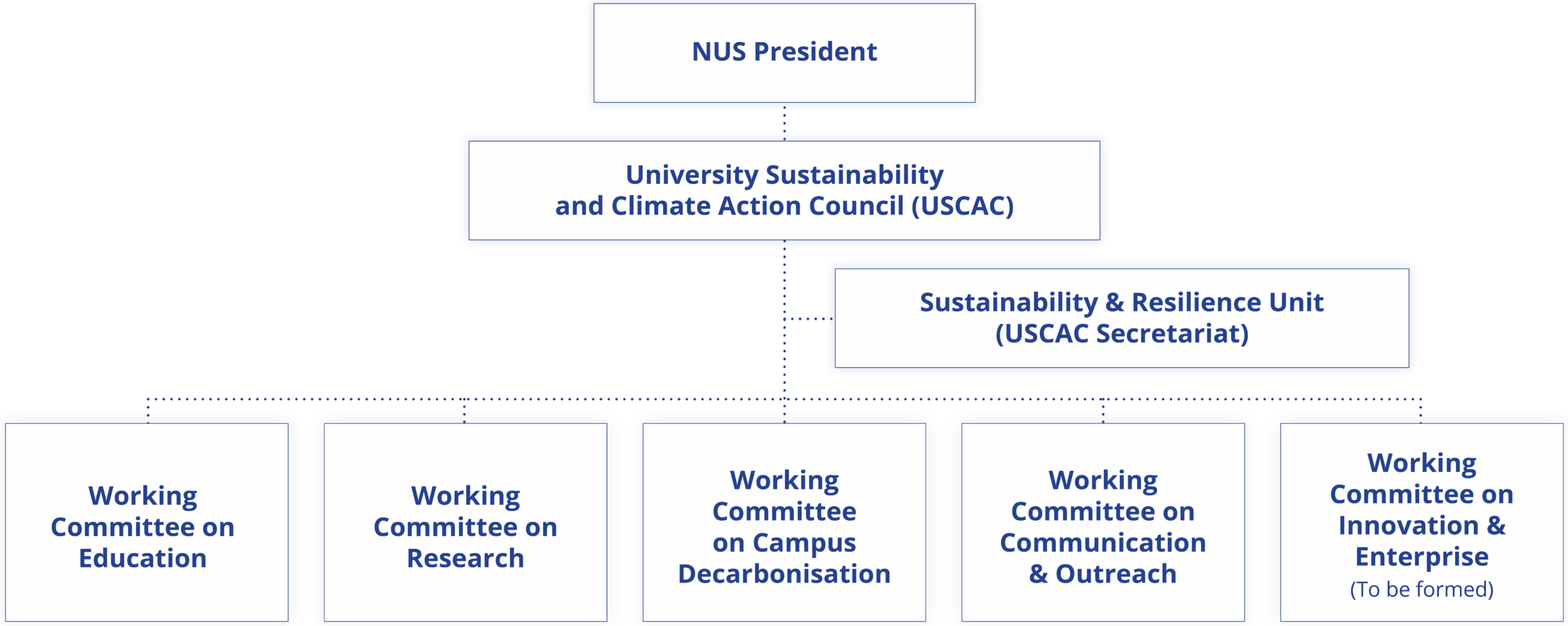
Since 2021, NUS’ sustainability efforts have been governed by the University Sustainability and Climate Action Council (USCAC), chaired by the NUS President. Four years on, it entered a new phase, taking the University’s sustainability efforts to the next level. The revised USCAC setup will allow the university to look and plan well ahead, and serve as a platform for coordinating, facilitating, and catalysing sustainability action.
In 2025, the chairmanship of USCAC, which continues to report to the NUS President, was handed over to Professor Low Teck Seng, Senior Advisor, Office of the President. He is supported by Deputy Chairman, Professor Koh Lian Pin, who is also Chief Sustainability Scientist, as well as Council members comprising senior university leaders, and faculty with sustainability expertise from various fields. The Council also includes student representation at both the undergraduate and graduate levels.
USCAC oversees a set of working committees that drive key areas of importance for NUS, including: education; research; campus decarbonisation; innovation and enterprise; and communications and outreach. Its structure remains dynamic, with the possibility of new committees being formed to meet the evolving needs of the university.
Report Scope
As the third edition of the NUS Sustainability Report, this publication provides an update on the university’s contributions to environmental and climate-related sustainability in 2025.
Like the previous two editions, it does not claim to be a complete documentation of all that has been done. Rather, it takes a more qualitative approach with carefully selected features that showcase the range and depth of NUS’ commitment to sustainability.
This year’s report includes a new section on Innovation & Enterprise, which spotlights startups conceived within NUS and/or with NUS-developed technology. While the focus remains on the university’s contributions to the environment, the line-up of stories also showcases the social aspects of the effort.
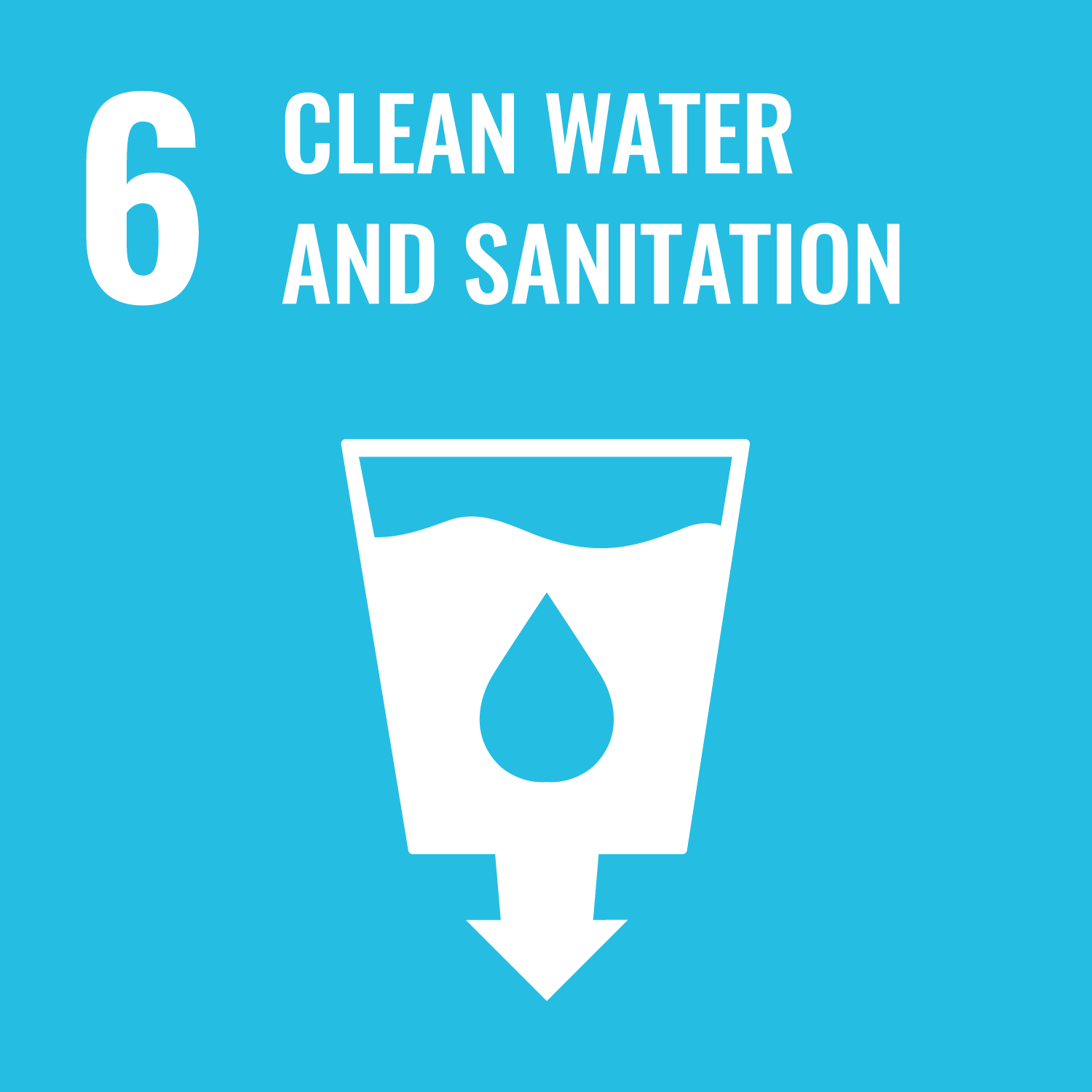
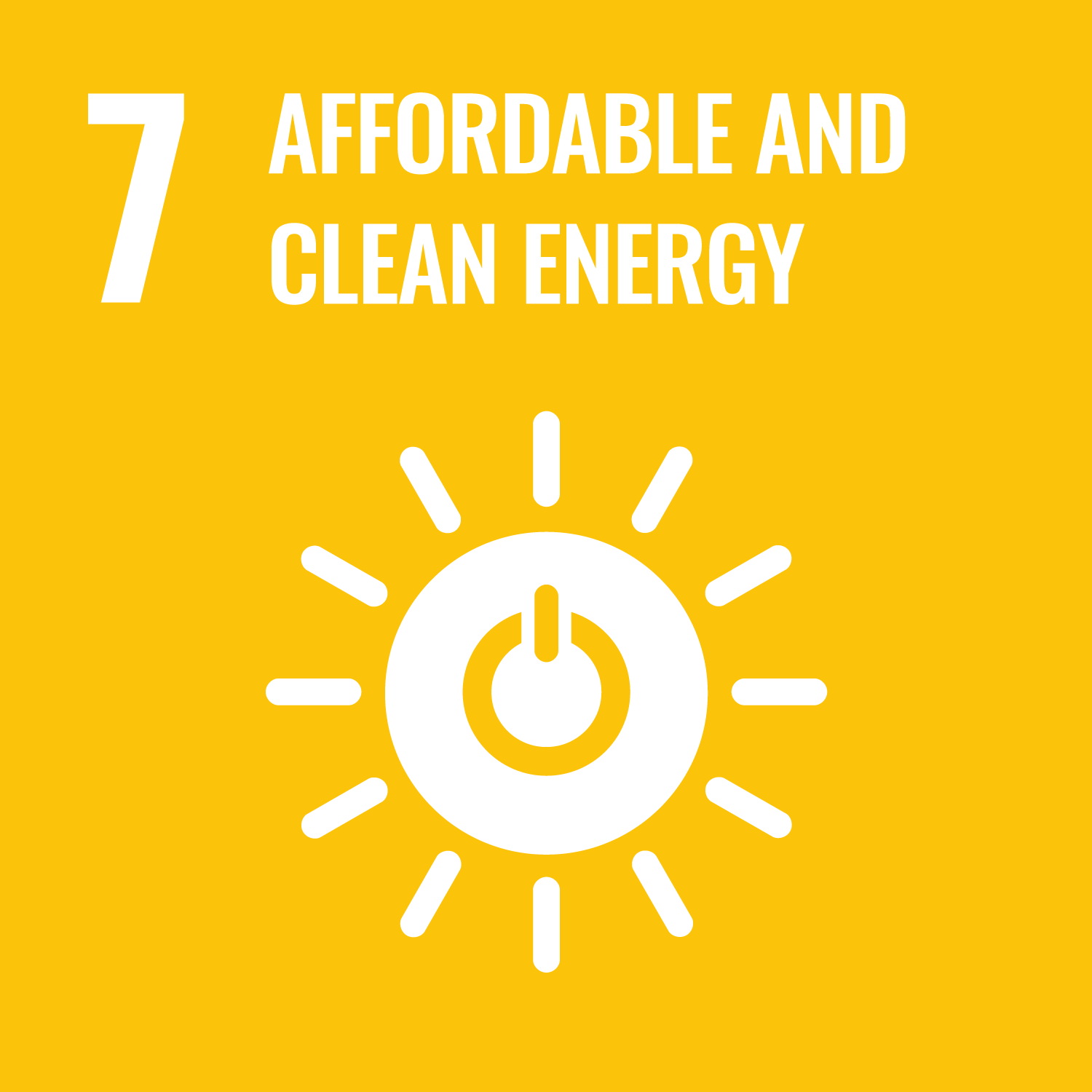
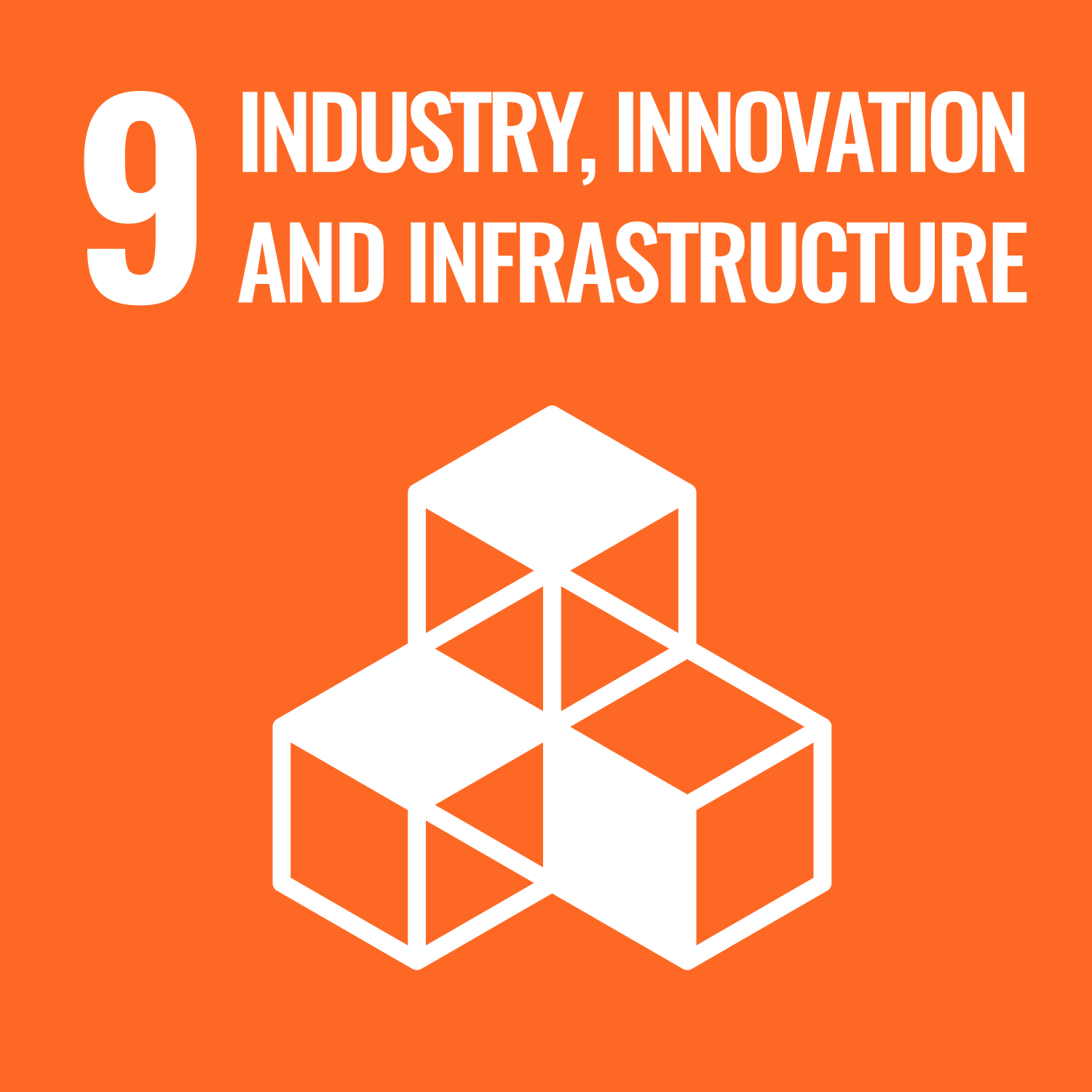
Many of the programmes and initiatives highlighted in the following pages support the United Nations Sustainable Development Goals (SDGs) — a global framework designed to accelerate sustainability and climate action by 2030. Broadly, these efforts contribute to the following SDGs:

Depending on the type of data, three different reporting time frames were used:
- AY: Academic Year – A one-year study period, comprising two semesters and a special term (every August to July of the following year)
- FY: Financial Year – A one-year fiscal year, typically used for financial accounting and budgeting (every April to March of the following year)
- CY: Calendar Year – A one-year period from January to December
Data highlighted in this report are from NUS unless otherwise stated.
Looking Ahead
As climate change accelerates, adaptation is becoming as important as mitigation. Singapore’s designation of 2026 as the Year of Climate Adaptation reflects the growing need to strengthen resilience across cities, infrastructure, ecosystems, and communities.
Across NUS, researchers are contributing to the movement by developing solutions to address rising temperatures, coastal vulnerability, biodiversity loss, and the increasing frequency of extreme weather events.
Through initiatives such as Integrative Urban Solutions, researchers examine how climate change, urban planning, and economic disparities impact population health, while projects under Initiatives for Climate, Oceans and Nature are improving understanding of ecosystems and nature-based solutions that can help communities adapt to a changing climate.
Looking ahead, sustainability will continue to be a key pillar under Singapore’s Research, Innovation and Enterprise 2030 plan. NUS will play an active role in supporting the nation’s sustainability ambitions through its involvement in major national research initiatives.
They include the Climate and Weather Research Alliance Singapore, which aims to advance tropical climate and weather research through next-generation climate models for instance, as well as the National Institute for Marine and Ocean Sciences (NIMOS). Led by the National Parks Board and NUS, NIMOS will consolidate capabilities to accelerate the growth of the marine science ecosystem, grow local capabilities in marine science, and support regional collaboration through shared data and marine health assessments across Southeast Asia.
By advancing knowledge, nurturing talent, and developing innovations, NUS remains committed to forging a more sustainable, resilient, and climate-ready future for Singapore and the region.